The Pastry War: When Dessert Turned Deadly
- History Tidbits
- Apr 17, 2025
- 2 min read
Updated: May 13, 2025

If you’ve ever been hangry enough to start a fight over dessert, you might find yourself oddly sympathetic to France in 1838. This bizarre historical incident, known as The Pastry War, sounds like the plot of a Monty Python skit, but I promise—it was a very real, very ridiculous war, complete with naval blockades, cannon fire, and an unpaid bakery tab.
Our story begins in Mexico City in the early 19th century, a time of political chaos, revolutions, and apparently, some seriously mistreated pastry chefs. A Frenchman named Monsieur Remontel claimed that in 1828, his bakery was looted by Mexican soldiers during one of the country’s many internal uprisings. Now, this wasn’t your average cake-and-croissant crime—Remontel wanted 600,000 pesos in damages, which in modern terms would be enough to buy a lifetime supply of macarons and still have money left over to open a dozen patisseries.
France, sensing a golden opportunity to flex its colonial muscles and maybe avenge the honour of French pastry everywhere, demanded Mexico pay up—not just for Remontel, but for all French nationals who’d allegedly suffered similar misfortunes. Mexico responded with a shrug, a polite "Non merci," and a dash of “Are you serious?” which, as you may guess, did not sit well with the French.
In 1838, King Louis-Philippe of France had had enough. So naturally, he sent the entire French navy to blockade Mexican ports and started shelling the fortress of San Juan de Ulúa in Veracruz. That escalated quickly, huh? Thus, the Pastry Warofficially began—not with a whimper, but with a bang, over cream puffs and croissants.
To make things more theatrical, enter General Antonio López de Santa Anna. Yes, that Santa Anna—he of Alamo fame, flamboyant comebacks, and the man who later had a funeral for his amputated leg (true story). Santa Anna led the Mexican resistance against the French forces and was wounded in the process. He lost a leg, gained a national legend, and even used his injury to catapult himself back into power, because in 19th-century Mexico, losing a limb was just another step on the political ladder.
Eventually, Britain played referee and convinced Mexico to cough up the dough—pun absolutely intended. France took the money, the navy packed up, and the pastry-related hostilities ended. The war lasted just a few months, but it holds the rare distinction of being the only armed conflict in history named after baked goods.
So, the next time someone gives you a hard time for eating that third éclair, just remind them: desserts once nearly caused an international incident. And remember—never underestimate the power of a pastry, especially when a French chef is involved.


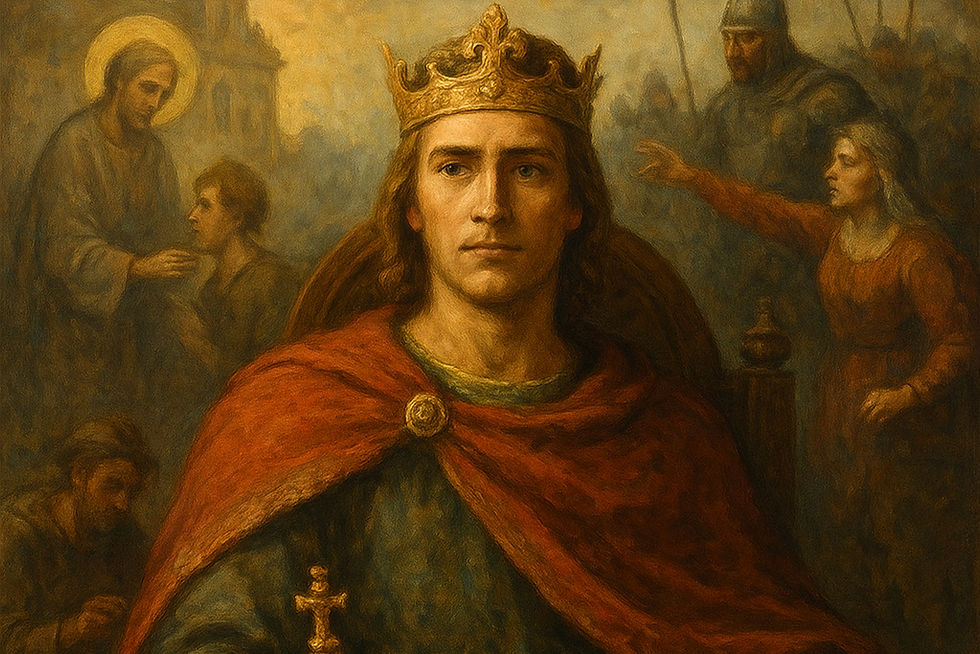
Who knew dessert could be so dangerous :P