The Titanic: A Tragedy That Still Echoes Through Time
Updated: May 13, 2025
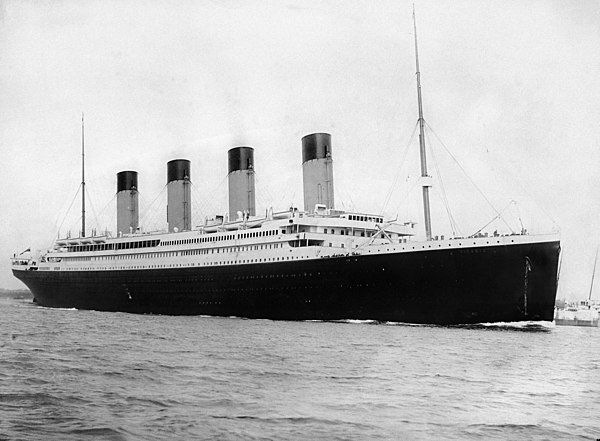
More than a century has passed since the RMS Titanic vanished beneath the icy waves of the North Atlantic, yet the story of its tragic voyage remains one of the most captivating events in history. The Titanic was more than just a ship—it was a symbol of human ambition, technological progress, and, ultimately, the humbling power of nature.
When it departed Southampton on April 10, 1912, the Titanic was the largest and most luxurious ship the world had ever seen. Stretching nearly 900 feet in length and boasting cutting-edge design features, it was considered "unsinkable" by both its creators and the public. The ship included everything from ornate first-class suites and elegant dining salons to a swimming pool and a state-of-the-art gymnasium. It was the very embodiment of Edwardian-era confidence.
Onboard were more than 2,200 souls from every walk of life. Wealthy elites, such as John Jacob Astor IV and Isidor Straus, mingled in first class while families of immigrants filled the more modest third-class cabins below. Though their reasons for boarding the Titanic varied, many shared a common dream: a new beginning in North America. The ship itself was like a floating city, buzzing with excitement, elegance, and a sense of invincibility.
The journey began smoothly, with clear skies and calm seas. But on the night of April 14, just four days into the voyage, everything changed. At 11:40 p.m., a lookout spotted an iceberg looming directly in the ship’s path. Despite quick action from the bridge, the Titanic struck the iceberg along its starboard side. What seemed at first like a glancing blow soon proved catastrophic. Below the surface, the iceberg had ripped open the ship’s hull, flooding five of its watertight compartments—one too many for the ship to stay afloat.
Panic didn’t set in right away. At first, passengers were reluctant to leave the warmth and safety of the massive ship for the small, open lifeboats. Many didn't believe the ship could actually sink. Confusion and poor communication led to lifeboats being launched half empty. There were only enough boats for about half of the people onboard, a grim oversight that would prove devastating in the hours to come.
Despite the growing crisis, stories of incredible bravery unfolded. The ship’s band famously played music to calm those waiting to evacuate. Titanic’s designers and crew did all they could to help others, even as they faced their own demise. The wireless operators stayed at their posts until the very last minute, sending distress signals across the Atlantic that would eventually reach the RMS Carpathia, the ship that would rescue the survivors.
At 2:20 a.m. on April 15, 1912, the Titanic gave one final lurch and slipped beneath the waves. The ship broke apart as it sank, its stern rising high before it disappeared forever into the freezing depths. More than 1,500 people lost their lives—many perishing in the frigid waters, others trapped within the ship itself. The survivors, mostly women and children, floated in lifeboats under the starlit sky, waiting for help that wouldn’t arrive for several more hours.
The world was stunned by the disaster. How could the most advanced ship ever built vanish on its maiden voyage? Investigations that followed revealed serious lapses in safety: too few lifeboats, inadequate training, and a dangerous belief that the ship was immune to nature's dangers. In the wake of the tragedy, major changes were made to maritime laws, including the requirement for lifeboats for all passengers and mandatory emergency drills.
For decades, the Titanic lay hidden beneath two miles of ocean. It wasn’t until 1985 that Dr. Robert Ballard and his team discovered the wreck. What they found was a haunting, rust-covered skeleton of the great ship, frozen in time. Artifacts were brought to the surface and preserved in museums, offering visitors a powerful connection to the past. Seeing a pair of shoes, a teacup, or a torn menu reminds us that this was not just a historical event—it was a human tragedy.
The story of the Titanic continues to resonate because it touches something universal—our faith in progress, our vulnerability, and our capacity for courage. Through films, books, exhibits, and documentaries, the Titanic lives on, not just as a shipwreck, but as a lasting symbol of both our greatest aspirations and our deepest sorrows.


Comments